Learn All About Growing Indoor Plants
(Text drafted with AI assistance)
Basically Indoor Organic Gardening is the growing of food such as vegetables, fruit, herbs, micro-greens or ornamental plants using methods that don't include any artificial or harmful chemicals such as inorganic pesticides, herbicides or fungicides. Organic indoor plant growers tend to use other methods to control pests such as alternative or organic methods and fertilize their plants using such things a worm, animal manures and other organic fertilizers instead.
On this page we will concentrate on Ornamental Indoor Plants but more information about growing other house plants, can be found on the Organic Gardening Page - https://universalorganics.com.au/organic-gardening
Essential Tips for Caring for Your Indoor Plants the Organic Way
Indoor plants are more than just a beautiful addition to your home—they offer a variety of benefits, from improving air quality to creating a calming environment. For plant enthusiasts, using organic methods for plant care ensures that your greenery stays healthy without harming the environment. In this guide, we'll explore the essential steps to caring for your indoor plants organically, ensuring they thrive in your home.
The journey to a thriving indoor garden begins with choosing the right plants for your space. Not all plants are suited for indoor environments, and each one has its own unique care requirements. Some plants are better suited for beginners due to their hardiness and adaptability.
Best Indoor Plants for Beginners:
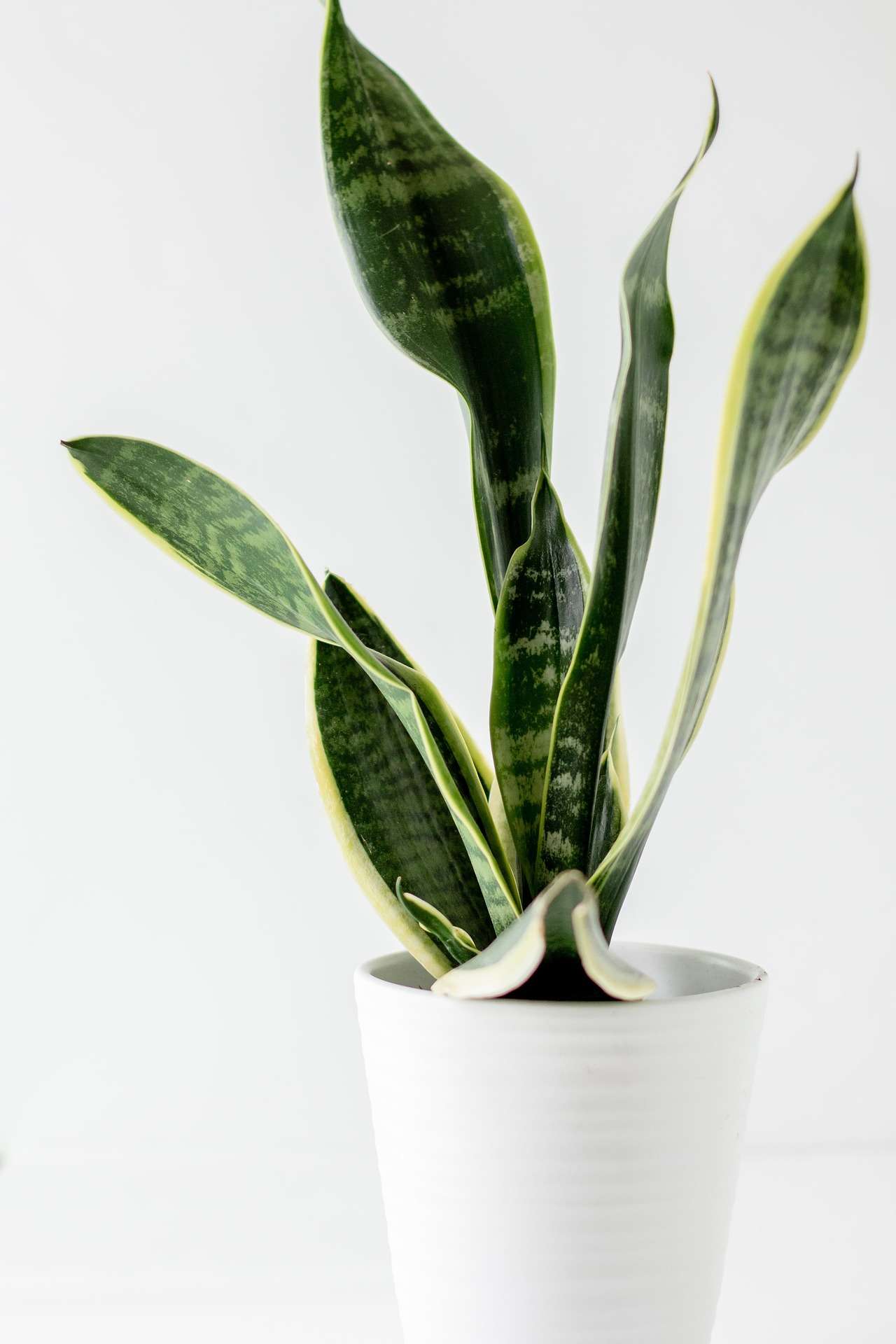
- Snake Plant (Sansevieria): Known for its tolerance to low light and infrequent watering, the snake plant is a great choice for busy individuals.
- Pothos (Epipremnum aureum): This fast-growing vine is perfect for low light conditions and is easy to propagate.
- Peace Lily (Spathiphyllum): Peace lilies thrive in lower light and need only occasional watering, making them ideal for less experienced plant owners.
- Spider Plant (Chlorophytum comosum): With its ability to grow in a wide range of conditions, the spider plant is a low-maintenance choice.
Things to Consider When Choosing Plants:
- Light Requirements: Understand whether the plant needs direct or indirect light. Some indoor plants can thrive with minimal sunlight, while others require bright light to flourish.
- Temperature and Humidity: Most indoor plants prefer a consistent temperature between 65-75°F (18-24°C). Pay attention to the humidity level in your home, as some plants, like ferns, thrive in more humid environments.
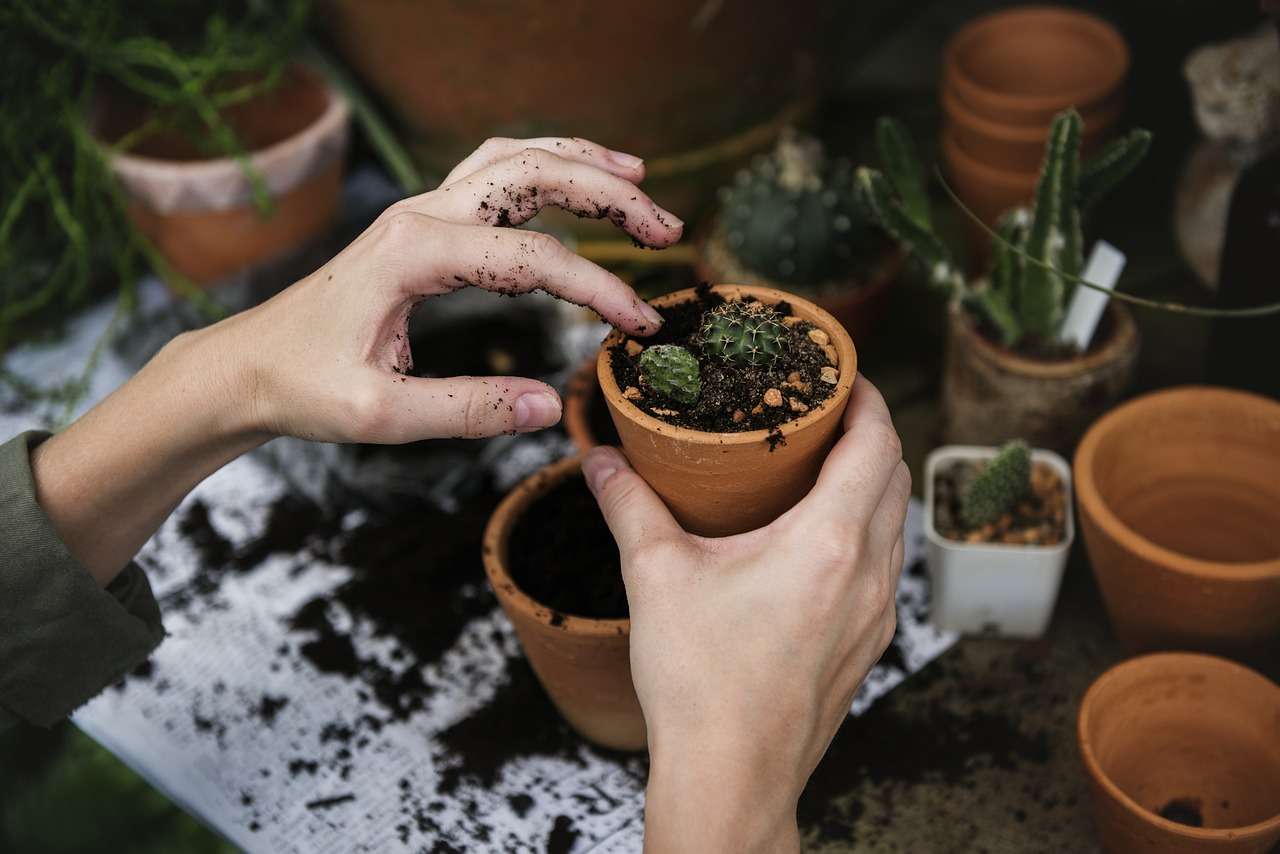
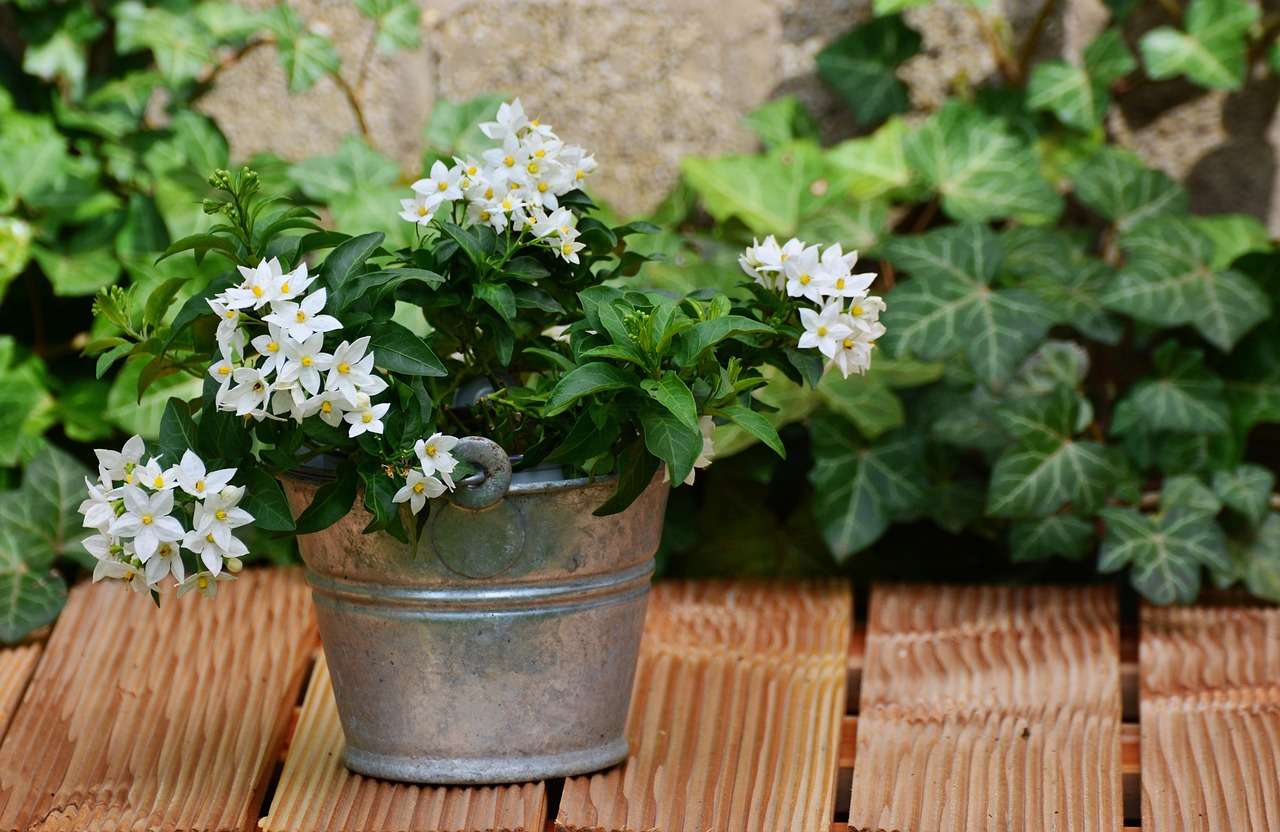
The foundation of healthy plants is quality soil and proper potting. Organic soil provides the necessary nutrients and supports beneficial microorganisms that enhance plant growth.
Choosing the Right Organic Soil:
- Well-Draining Soil Mix: Ensure your soil mix contains a balance of organic matter, such as compost or peat, along with perlite or sand to promote drainage. This prevents waterlogging, which can lead to root rot.
- Nutrient-Rich Organic Soil: Look for organic potting soil that’s free from synthetic fertilizers and pesticides. You can make your own mix by combining compost, coco coir, and organic worm castings for optimal plant nutrition.
Selecting the Right Pot:
- Size Matters: Choose a pot that’s about 2-3 inches larger in diameter than your plant’s root ball. Too small a pot can restrict growth, while too large a pot can cause water retention and root rot.
- Drainage Holes: Ensure the pot has drainage holes to allow excess water to escape. Without drainage, the soil may stay too wet, leading to root rot.
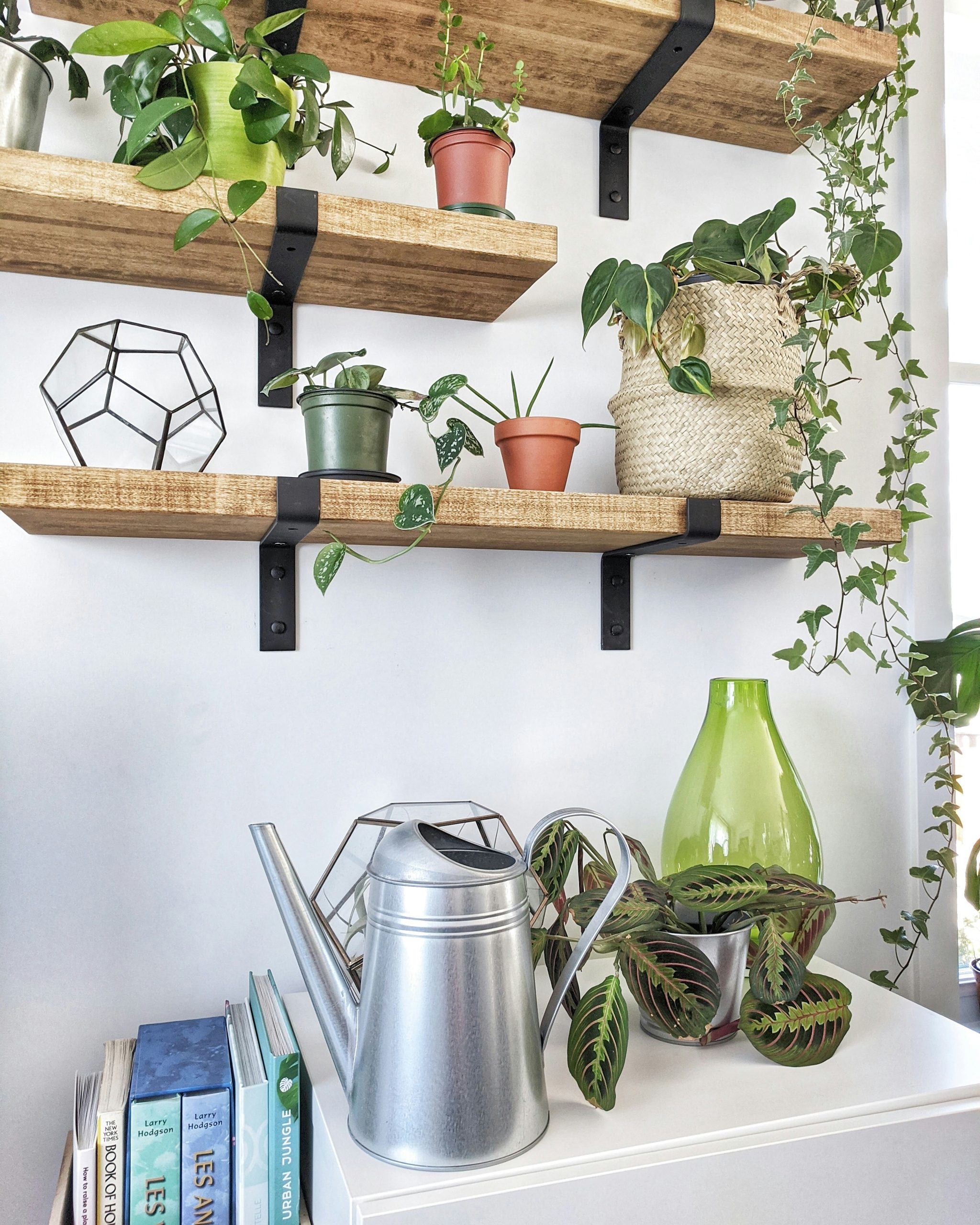
Watering is one of the most common causes of plant stress. Both overwatering and underwatering can be detrimental, so it’s essential to strike the right balance.
Signs of Overwatering vs. Underwatering:
- Overwatering: Yellowing leaves, root rot, and a damp, musty smell in the soil are all signs of overwatering. Ensure your plant’s soil has dried out slightly before watering again.
- Underwatering: Dry, crispy edges on the leaves and soil that pulls away from the edges of the pot are common signs of underwatering.
Best Watering Practices:
- Water Thoroughly but Infrequently: Water your plants deeply, allowing water to drain from the bottom of the pot, but wait until the top inch of soil has dried before watering again.
- Use Room Temperature Water: Cold water can shock your plants, while hot water can cause stress. Opt for room-temperature water to avoid upsetting your plants.
4. Light and Temperature
Indoor plants require the right amount of light to photosynthesize and grow. Too much or too little light can cause your plants to struggle.
Light Requirements for Indoor Plants:
- Bright Indirect Light: Many indoor plants, like the peace lily and pothos, prefer bright but indirect light. A south-facing window is ideal, but be mindful of direct sunlight, which can scorch sensitive leaves.
- Low Light Tolerant Plants: Snake plants and ZZ plants are examples of plants that tolerate low light. However, even low-light plants need some natural light to survive.
Temperature and Humidity:
- Consistent Temperature: Most indoor plants prefer temperatures between 65-75°F (18-24°C). Avoid placing plants near heaters, air conditioners, or drafty windows.
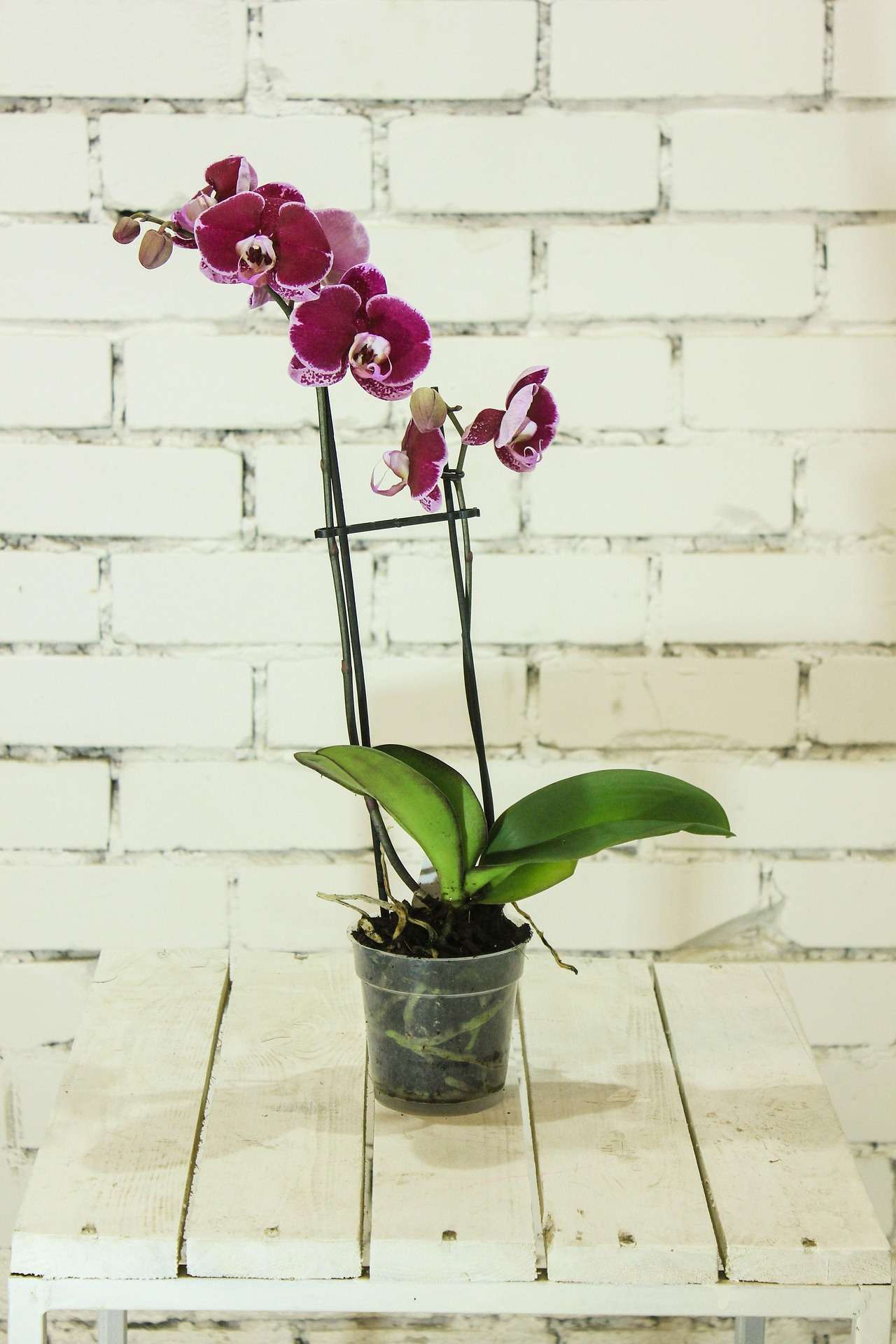
- Humidity: Many indoor plants, such as ferns and orchids, thrive in higher humidity. If you live in a dry climate, consider using a humidifier or misting your plants occasionally to boost humidity levels.
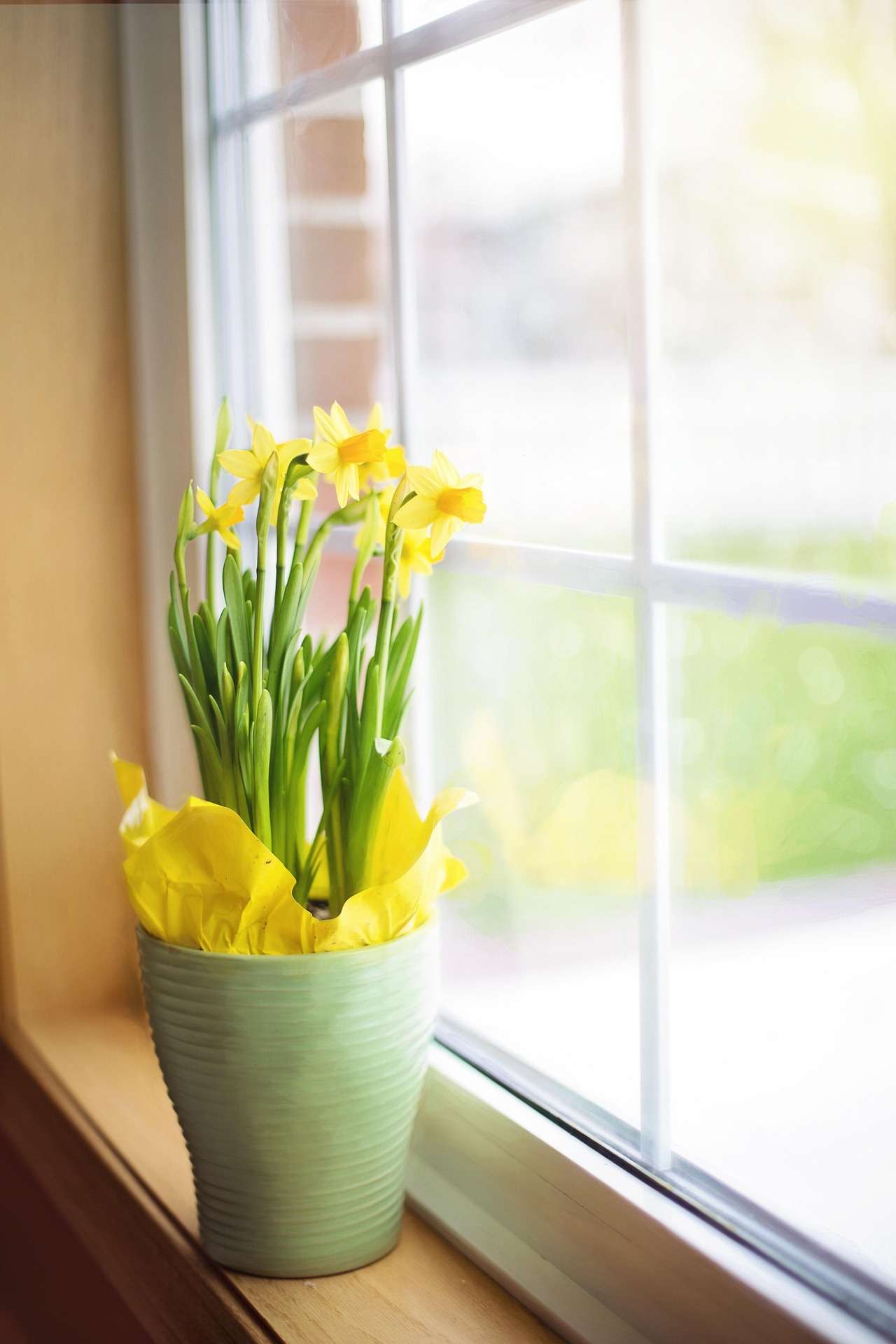
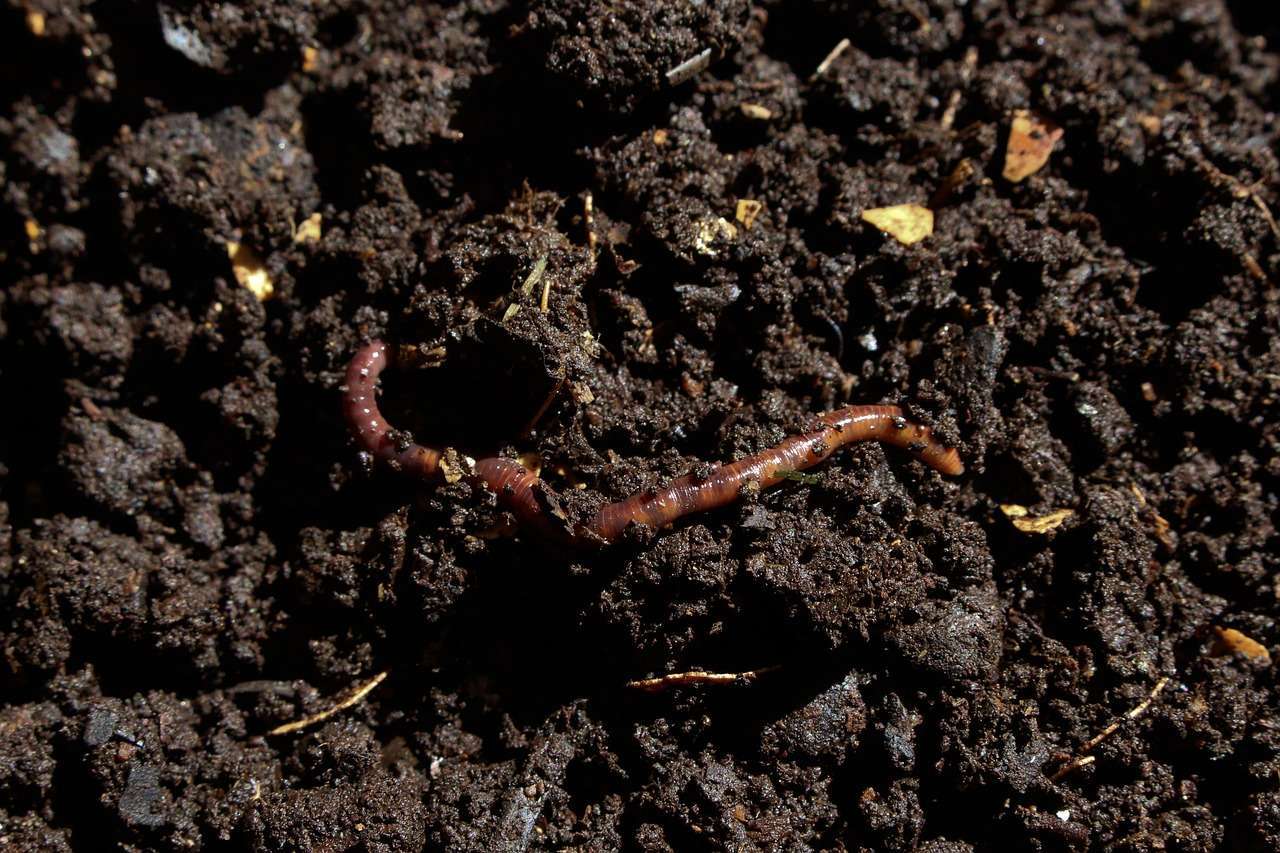
Fertilizing helps replenish the nutrients that plants use up during growth. Organic fertilizers provide a slow and steady supply of nutrients without the harsh chemicals found in synthetic products.
Types of Organic Fertilizers:
- Compost: Rich in nutrients, compost provides a slow-release source of food for your plants and improves soil structure.
- Worm Castings: Full of essential nutrients like nitrogen, phosphorus, and potassium, worm castings are an excellent organic fertilizer.
- Liquid Organic Fertilizers: Organic liquid fertilizers, like fish emulsion or seaweed-based solutions, are great for giving plants an immediate boost of nutrients.
How to Create Your Own Organic Fertilizer:
- Composting at Home: Start by composting kitchen scraps, leaves, and yard waste. This natural fertilizer will improve soil health and provide nutrients to your plants over time.
- DIY Organic Liquid Feed: Create a simple compost tea by steeping a small amount of compost in water for a few days. Use this liquid to water your plants and give them a nutrient boost.
Regular maintenance is essential for keeping your indoor plants healthy and vibrant.
Pruning Dead or Yellow Leaves:
- Remove any yellow or dead leaves to prevent pests and diseases. Pruning also encourages new growth and keeps your plants looking neat.
Repotting and Dividing Plants:
- As plants grow, they may outgrow their pots. Repotting them into a larger container ensures their roots have enough space to thrive.
- Divide plants like pothos or peace lilies if they become too large. Gently separate the root clumps and repot them into new containers.
Indoor plants can sometimes attract pests, but using organic pest control methods can keep your plants healthy without resorting to harmful chemicals.
Common Indoor Plant Pests:
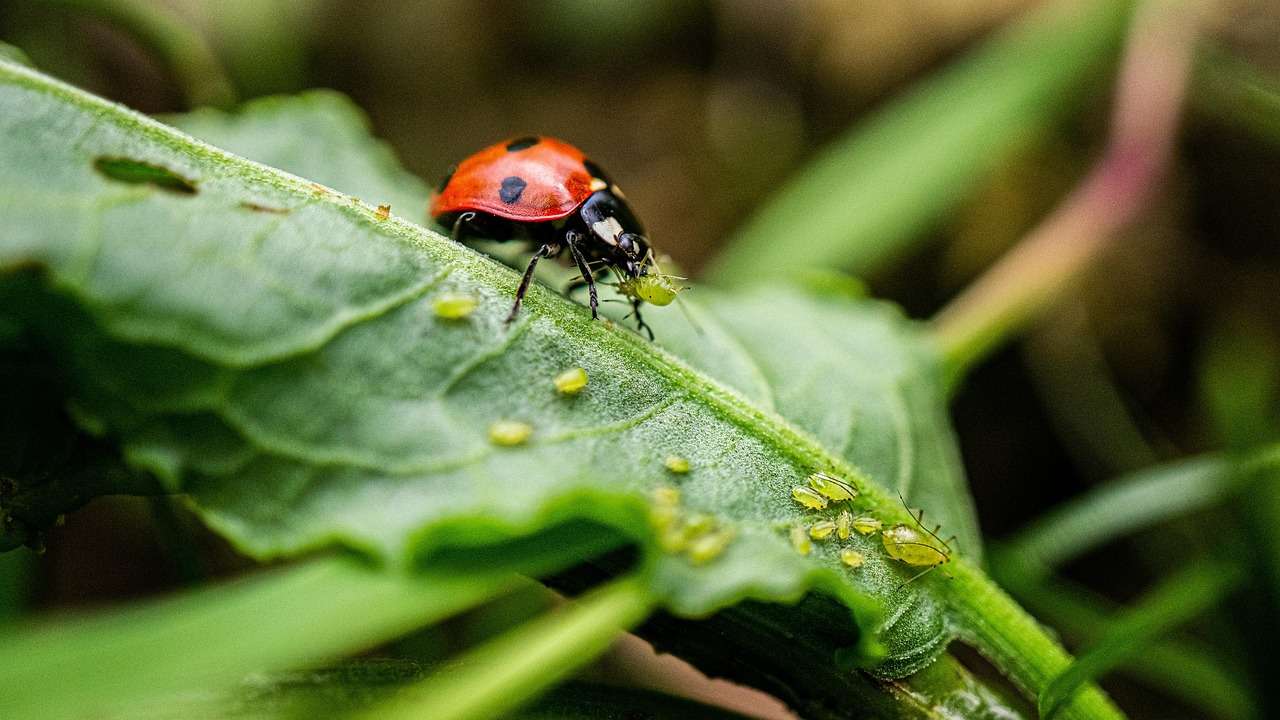
- Aphids: Small, green insects that cluster on new growth and suck sap from the plant.
- Spider Mites: Tiny, reddish-brown pests that create webs on the undersides of leaves.
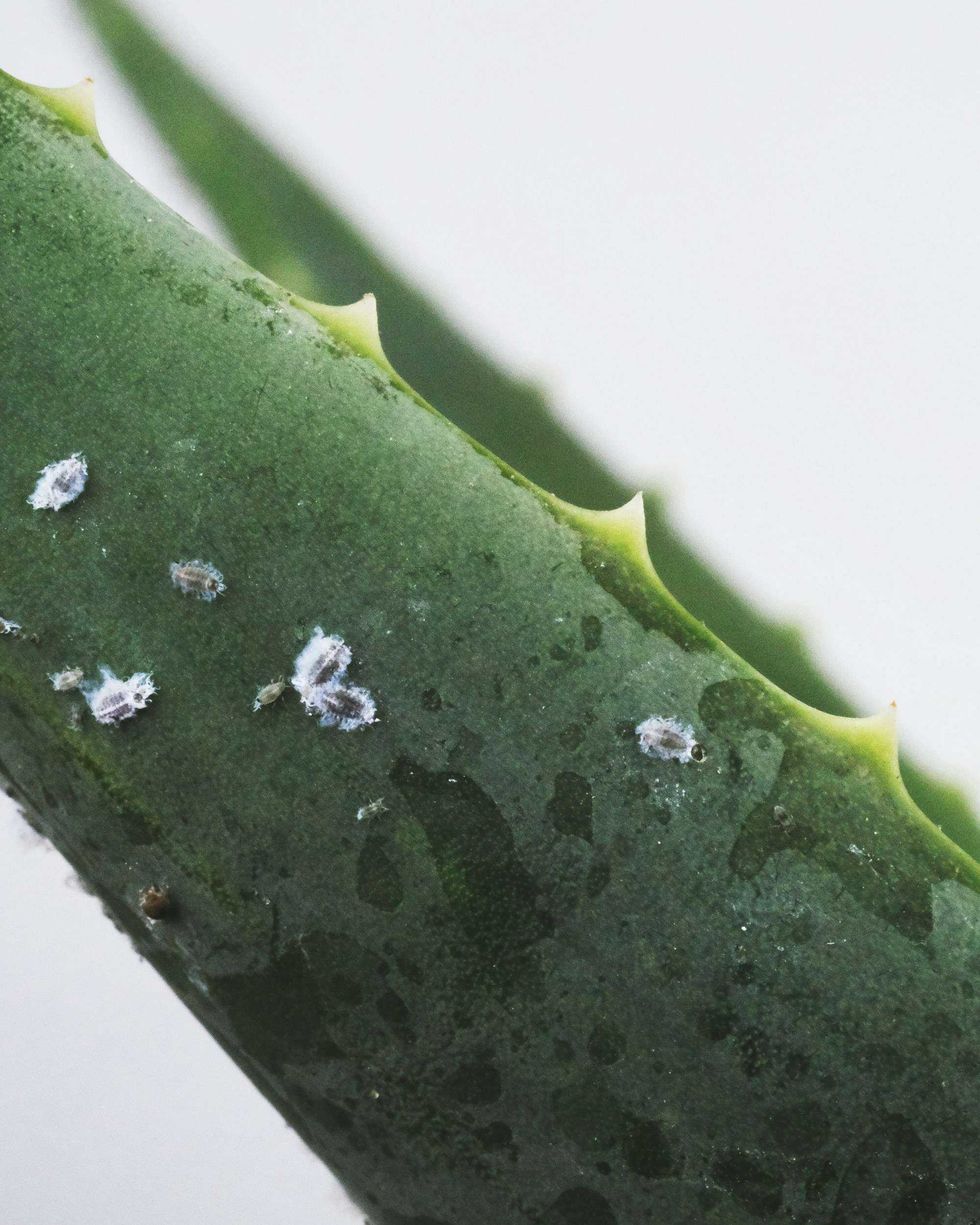
- Mealybugs: White, fuzzy insects that appear on the stems or leaves.
Organic Ways to Control Pests:
- Neem Oil: A natural insecticide that works on a variety of pests, neem oil is safe for both plants and beneficial insects.
- Diatomaceous Earth: A powder made from fossilized algae, diatomaceous earth kills pests like aphids and spider mites without harming your plants.
- Insecticidal Soap: Organic insecticidal soaps are an effective way to control pests while being gentle on your plants.
Caring for indoor plants organically is a fulfilling and rewarding experience that promotes the health of your plants and the environment. By selecting the right plants, using organic soil, watering properly, providing the right light, and maintaining pest control organically, you’ll ensure that your indoor garden thrives for years to come. Remember, the key to successful plant care is consistency, patience, and observation—enjoy the process and watch your indoor garden flourish!