
High blood pressure or hypertension is caused by many factors in today’s society such as highly processed foods, low exercise and sedentary lifestyles, old age, high cholesterol and salt diets and many other factors. High blood pressure can lead to heart and kidney disease, vision loss, arterial or vascular disease which results in inflammation of the arteries and can lead to strokes.
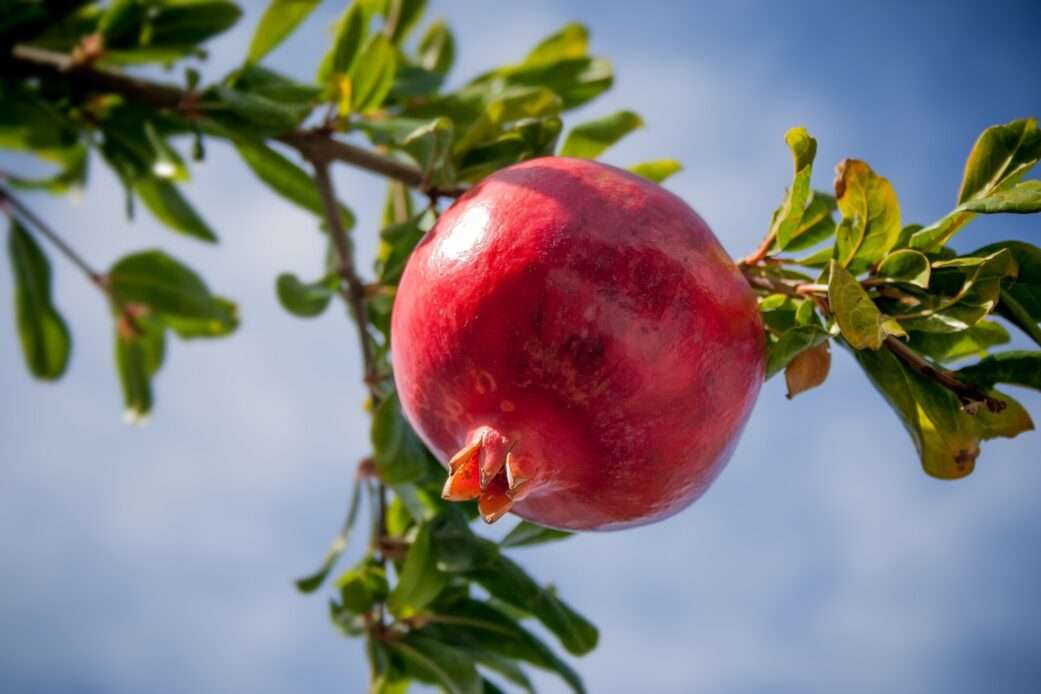
Often the only treatment recommended is medication but in some cases one can follow some healthy guide lines to lower it naturally, such as regular exercise and healthy eating of lots of fresh fruit and vegetables such as beetroot, pomegranate and nuts like walnut and almonds. Also focus on increasing your intake of other foods high in potassium such as sweet potatoes & bananas as well as those containing magnesium and calcium such as spinach. Other natural remedies to help lower high blood pressure are by eating certain herbs and spices such as turmeric, garlic, onions, cinnamon, hawthorn, oregano and cardamon on a regular basis. Garlic is known to boost nitric oxide production like beetroot, which relaxes blood vessels and hibiscus tea which acts similarly to ACE inhibitors is often recommended.
Check out this article I found on the link below-
https://www.naturalnewsblogs.com/seven-herbs-lower-blood-pressure/
https://pubmed.ncbi.nlm.nih.gov/27748197/